

 Sign in
 Sign up


Drone Systems Explained – Complete Beginner Guide to How Drones Work
Drone Systems Explained – A Beginner-Friendly Map of How Drones Work
This Hub Page is your map.
A drone is not a single device — it is a compact system architecture where each part has a job.
Use the system buttons below to jump to a section, then open the full page when you want a deeper, step-by-step explanation.
Flight Control System
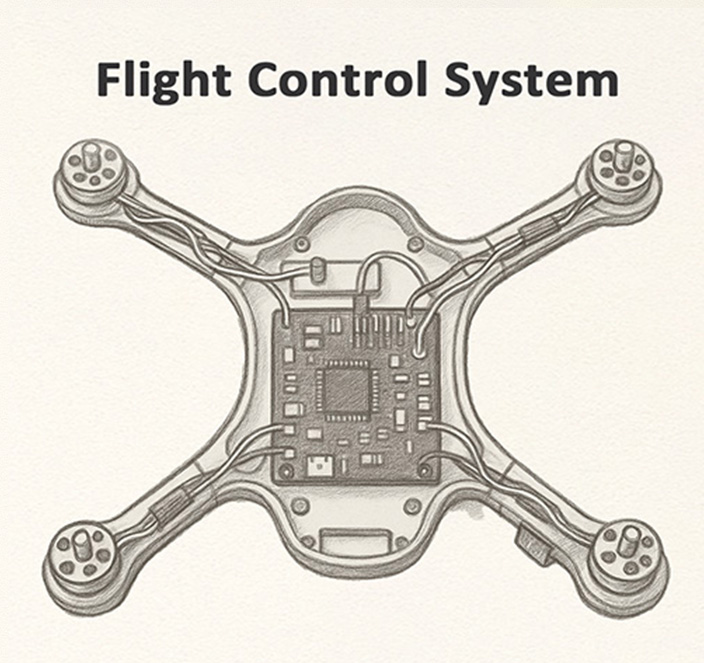
The Flight Control System is the brain of a drone.
It constantly reads data from sensors such as the IMU, GNSS, barometer, and optical flow, then calculates how fast each motor should spin to keep the drone stable.
Without the flight control system, a drone cannot hover, fly straight, or return home safely.
Imaging System

The Imaging System turns flight into storytelling.
It includes the camera sensor, lens and FOV, stabilization (EIS or gimbal), image processing (ISP), and the final output choices like resolution and frame rate.
Power System
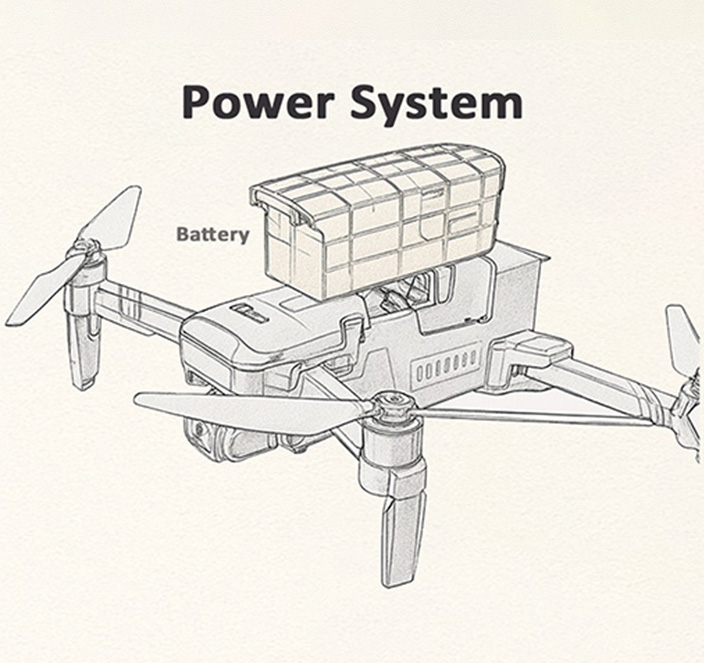
The Power System is more than “battery capacity”.
It includes battery safety, power monitoring, charging,
ESC power demands, and clean power delivery through wiring, connectors, and distribution paths.
Propulsion & Airframe System
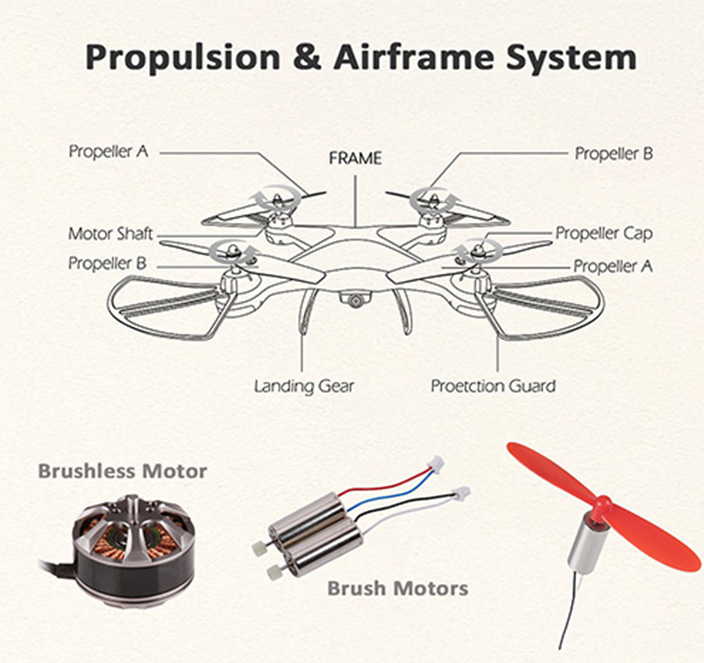
This system converts electricity into thrust and keeps the drone physically stable. Motors, propellers, frame arms, and landing gear work together to create lift, handle stress, and survive real-world takeoffs and landings.
Drone Wireless Communication System
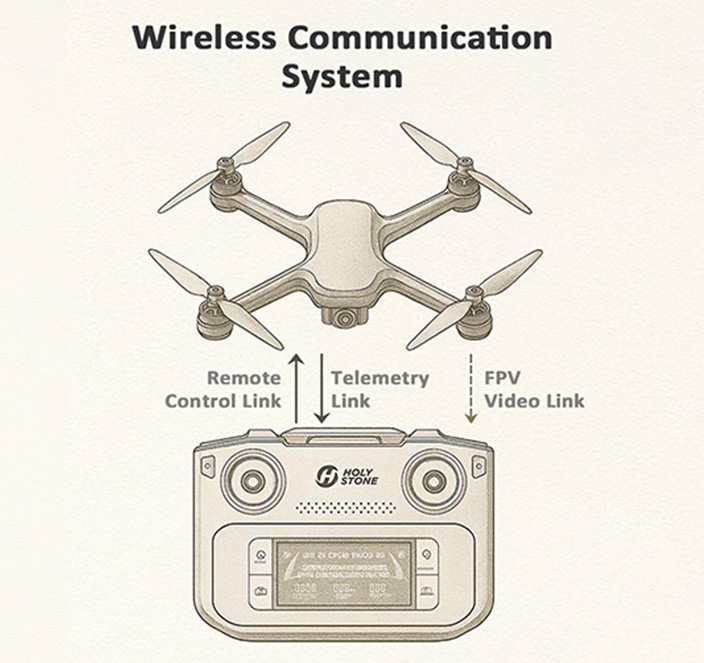
Wireless links are the invisible bridge between your hands and the drone. Control commands go up, video and status come down, and telemetry keeps safety features working in real time.


COMMENTS